
Understanding Workplace Balance: Key Strategies for a Fulfilling Life
Effective Strategies for Achieving Workplace and Life Balance
You don't have two nervous systems - one for the office and one for everything else. You have one body, one mind, and one energy reserve that moves between meetings, meals, bedtimes, and big creative ideas. When that system is depleted in one area, it doesn't magically refill when you switch contexts. This is why workplace balance has never been about dividing hours equally. It's about regulating the person who lives across all of them.
Since 2020, the lines between work and personal life have blurred beyond recognition. Nearly 37% of desk workers now log on outside standard hours every single week, and close to 3-in-5 employees report negative health impacts from work stress. High performers often struggle with clarity and overwhelm despite external success - the very people who look like they have it together are quietly running on empty.
At Energy of Creation, we see this pattern constantly. A healthy work life balance doesn't come from a better calendar app. It comes from a regulated nervous system, supported by intentional practices that address how you actually feel - not just how you schedule. That's why we built the Ecstatic Lifestyle OS, grounded in our Regulate–Reclaim–Rise framework: stabilize your body first, reclaim your time and energy second, then rise into aligned, sustainable performance.
This article gives you practical, embodied strategies to improve work life balance starting today - not abstract theory, but tools you can use between your next two meetings.
What Is Workplace and Life Balance in 2026?
Workplace balance means keeping a healthy split between work and personal life - but "split" is the wrong mental model. In 2026, balance looks more like harmony in one continuous life than a rigid 50/50 time allocation between two separate boxes.
The distinction between traditional work life balance and work life integration matters here:
Work-life integration encourages fluidity between work and personal life, allowing you to combine work tasks with personal activities - like a midday workout during a remote work day or handling school pickup between focused work blocks.
Work-life integration aims for harmony rather than strict separation, but it requires intentional design of daily routines to prevent boundary erosion.
Traditional work-life balance implied two separate domains. Integration acknowledges they overlap - and that overlap can be healthy or destructive depending on how you manage it.
A healthy balance looks like this in practice:
Energy at day's end - enough to be present with family, not just physically there
Room for personal pursuits - hobbies, movement, creative projects that aren't "productive"
Capacity to switch off - work demands don't follow you into sleep
Internal regulation - feeling grounded, not just hitting your KPIs
Good work life balance is felt internally more than it is measured by working hours. Someone regulated and intentional at 50 hours may feel more balanced than someone chronically anxious at 35.
The Hidden Costs of Poor Work Life Balance
Picture this: a senior leader answering emails at 11:30 PM, skipping family dinners three nights a week, waking at 3 AM with a racing mind about a presentation that's six days away. Their work performance looks fine on the surface. Underneath, everything is eroding.
Poor work life balance exacts costs most people don't calculate until the damage is done:
Mental health deterioration. Research shows that working more than 55 hours a week increases stroke risk and raises the likelihood of depressive symptoms by roughly 66% compared to standard hours. Chronic stress from poor work-life balance can lead to burnout, anxiety, emotional numbness, and decision fatigue.
Physical health risks. A WHO/ILO joint study estimated 745,000 global deaths from heart disease and stroke linked to working 55+ hours per week. Longer work hours correlate with declining physical health across populations, weakening the immune system and disrupting recovery.
Financial costs. Work-related stress costs U.S. businesses around $300 billion annually in absenteeism, turnover, and lost productivity.
Personal life spillover. Conflicts with partners escalate. Patience with children evaporates. Hobbies disappear. Sleep becomes shallow and fragmented. A staggering 70% of workers admit to working while on vacation, and 63% of employees feel unable to take time off at all.
These costs connect directly to a nervous system stuck in fight-or-flight. When your stress levels spike and stay elevated, no amount of time management can compensate. The body is overriding your best intentions.

How Nervous System Regulation Shapes Your Work and Life
This is why Energy of Creation focuses on nervous system regulation before productivity strategies. Your autonomic nervous system - the balance between sympathetic activation (fight-or-flight) and parasympathetic recovery (rest-and-digest) - determines your capacity for everything: focus, creativity, patience, sleep, and the ability to set clear boundaries.
What a regulated state feels like:
Steady energy through the day without a 3 PM crash
Ability to pause before reacting to a stressful email
Spaciousness between stimulus and response
Boundaries that feel natural, not forced
Restorative sleep without rumination
What dysregulation looks like at work and at home:
Overreacting to minor triggers, constant urgency, inability to focus
At home: emotional shutdown, endless scrolling, snapping at loved ones, avoiding connection
If you recognize these patterns, 5 Signs Your Nervous System Needs a Reset is worth reading next
Practicing mindfulness can prevent burnout, and mindfulness practices can help recovery from burnout and overwhelm - but only when they're paired with somatic, body-based tools that actually shift physiology. Employees are more productive when well-rested and focused. Without regulation, even the best calendar system won't deliver a sustainable balance.
The Regulate–Reclaim–Rise Framework from Energy of Creation
Inside our Ecstatic Lifestyle OS and related programs, we guide people through three stages that address both workplace balance and home life as one integrated system:
Regulate - Stabilize your nervous system so you can respond rather than react. This is the foundation. Without it, every boundary you set collapses under stress.
Reclaim - Take back time, energy, and attention from autopilot habits and overcommitment. Redesign your days so that balance is structural, not aspirational.
Rise - Express your full creative and leadership potential from a place of alignment, not depletion. Sustainable peak performance, not hustle.
This framework applies directly to employees work life balance, entrepreneurs managing businesses and families alike, and creatives trying to protect their personal time while meeting professional responsibilities. Workplace balance can improve job satisfaction for employees, and workplace balance reduces stress and burnout - but only when the approach treats the whole person. Intentionally managing time and workload contributes significantly to workplace balance, and the Regulate–Reclaim–Rise sequence ensures that management starts from the body up, not the spreadsheet down.
Stage 1 – Regulate: Immediate Practices to Stabilize Your Day
You can't redesign your work and life from a burnout state. Regulation comes first because it restores the internal capacity to make better choices.
Here are micro-practices suited to any modern workday:
2-minute exhale-focused breath. Between meetings, breathe in for 4 counts, out for 8. This activates parasympathetic tone and lowers cortisol. A meta-analysis of breathwork interventions confirmed moderate stress-reduction effects from even brief sessions.
60-second shaking reset. Stand up, shake your hands, arms, legs for one minute. This discharges held tension and shifts your nervous system state. Learn more about somatic approaches through SOMA Breathwork for a Deep Nervous System Reset.
Sound toning before difficult calls. Humming or toning for 30 seconds stimulates the vagus nerve and calms reactivity. Sound healing practices are backed by growing research.
Transition rituals are equally powerful. Build them at three daily touchpoints:
Waking: 5 minutes of breathwork and sunlight exposure before checking your phone
Starting work: Walk to your workspace, light a candle, set one intention
Ending work: Close laptop, change clothes, take a short walk outside
Scheduling breaks every 1-2 hours boosts productivity, and regular time off and mental breaks contribute to overall well being and performance. These aren't luxuries - they're how regulation helps you arrive home more present and grounded rather than running on fumes.

Stage 2 – Reclaim: Designing Clear Boundaries Around Work and Life
Once regulated, you can start reclaiming the time and attention that poor work life balance patterns have stolen. This is where self awareness meets lifestyle architecture.
Clear boundaries between work and personal time can reduce work-family conflict and stress. Here's what they look like in practice:
Defined start and stop times. Setting clear work hours helps maintain personal time. Communicate these to your team and protect them.
No laptop in the bedroom. Creating a dedicated workspace can help signal the transition from work to personal time.
Tech-free meals. Spending time with family without devices rebuilds connection.
Communication agreements. Effective communication with managers can help clarify workload expectations. Address concerns about constant availability directly.
Boundary scripts you can use:
"I'm available from 8 to 6. For anything after hours, I'll respond first thing the next morning."
"I protect Tuesday and Thursday evenings for family. Can we find a different time?"
Map your typical week and identify collision points - those Sunday afternoons when you're "just checking one thing," or the late-night remote work sessions that bleed into your home life. Then consciously reallocate those pockets to personal activities or adequate rest.
This connects directly to how your brain defaults to autopilot - reclaiming means actively overriding patterns that no longer serve you.
Stage 3 – Rise: Turning Balance into Sustainable Peak Performance
Rise is where balance becomes a competitive advantage. Once regulation and boundaries are in place, you're no longer surviving your schedule - you're leading from it.
A better work life balance allows for higher-quality work: sharper strategic thinking, deeper creativity, and more empathetic leadership. Our clients - executives, creatives, entrepreneurs - consistently find that when they move from juggling heavy workloads reactively to designing aligned days intentionally, they reduce hours while improving results. Many shift from 70-hour weeks to 50 with clearer priorities and more energy for both work performance and a fulfilling personal life.
The data supports this: employees who are 20% more productive log off after work hours rather than grinding longer. Organizations that support work-life balance benefit from higher employee retention, and work-life balance can drive better recruitment and employee engagement for businesses alike.
Rising isn't about more hustle. It's about:
Aligned action - doing fewer things with more impact
Focused sprints - short blocks of deep, focused work followed by genuine recovery
Purpose reconnection - reigniting creative projects, improving personal and professional relationships, leading with empathy
This stage reconnects people with joy across both work and personal life - the kind of job satisfaction that comes from doing meaningful work without sacrificing everything else.
Practical Daily and Weekly Rituals for a Healthy Work Life Balance
Here's a sample weekday rhythm that integrates regulation, focused work, and personal time:
Time Block | Activity | Purpose |
|---|---|---|
6:30–7:00 AM | Breathwork, sunlight, journaling | Regulate |
7:00–8:00 AM | Movement, breakfast, family | Personal anchors |
8:00–10:00 AM | Deep focused work (no meetings) | High-leverage output |
10:00–10:15 AM | Short breaks, shaking reset | Regulation micro-dose |
10:15 AM–12:30 PM | Meetings cluster | Collaborative work |
12:30–1:30 PM | Lunch, walk outside, no screens | Recovery |
1:30–3:30 PM | Focused work or creative block | Deep work |
3:30–3:45 PM | Breath or movement break | Stress management |
3:45–5:00 PM | Wrap-up, admin, planning | Close the loop |
5:00 PM | Closing ritual (laptop shut, clothes change, walk) | Transition to personal time |
Weekly reset ritual (Super Sunday style):
Review past week: energy, mood, wins, where boundaries eroded
Plan next week: non-negotiable recovery blocks, family responsibilities, creative hours
Align work responsibilities with personal pursuits so neither gets squeezed
Track your energy and mood for 2–3 weeks using a simple journal. You'll spot patterns - which days you feel overwhelmed, where stress levels consistently rise, what time of day you lose control of your focus. This is data that helps you communicate effectively about your needs.
The goal isn't a rigid schedule. It's a living rhythm that adapts to life seasons - parenting phases, big launches, recovery periods.
Special Focus: Remote Work, Boundaries, and the Always-On Culture
While 85% of fully remote workers cite better work-life balance benefits, the reality is more nuanced. Remote work removes physical transitions, reduces movement and natural light exposure, and turns flexible schedules into endless days. In an always connected world, the office never truly closes.
Guidelines for remote workers:
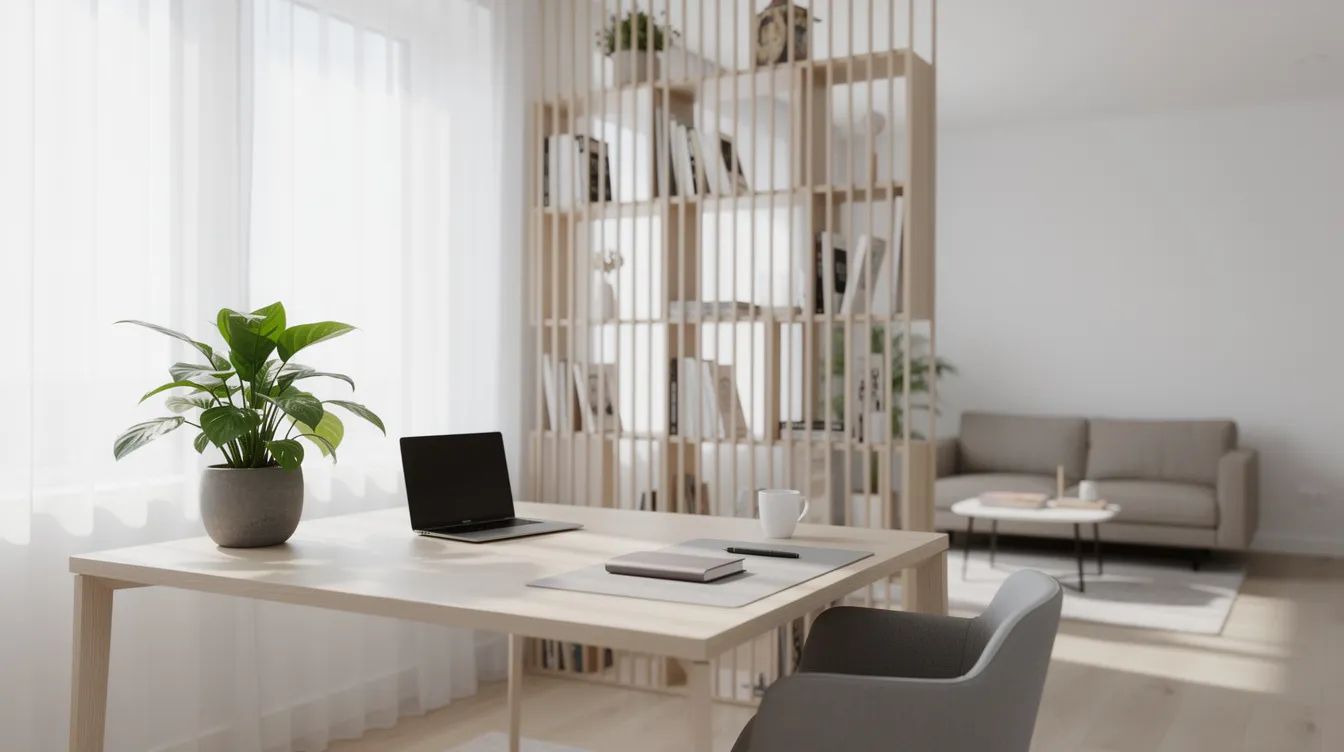
Establish a dedicated workspace - ideally not your bedroom
Set digital curfews (no work apps after a specific hour)
Use separate devices for work and personal life if possible
Schedule short breaks and walks on your calendar as firmly as meetings
Americans describe the "fake commute" - a UK study found remote workers adopting walks, calendar guardrails, and space redesigns to recreate boundary rhythms
For managers of remote teams:
Implement no-meeting windows
Respect time zones and model unplugging
Use employee feedback to address concerns about workload and constant availability
Remember that employees well being directly predicts employee satisfaction, fewer sick days, and better retention
Remote work that ignores bodily needs - movement, light, social contact - quickly leads to poor work life balance and burnout. There is no one magic word or magic word that fixes this. It requires deliberate environmental and ritual design.
Managing Stress and Protecting Mental Health Over the Long Term
Chronic stress from an imbalanced work and personal life setup doesn't announce itself with a dramatic collapse. It erodes mental well being quietly over months and years - and managing stress lies at the intersection of daily practice and long-term commitment.
Warning signs that managing stress is becoming difficult:
Persistent Sunday dread about the week ahead
Sleep disruption - trouble falling asleep, waking at 3 AM
Emotional numbness or irritability that spills into personal and professional relationships
Using alcohol, heavy workloads of entertainment, or endless scrolling to "come down"
Repetitive tasks feel impossible; work related tasks you once enjoyed now feel hollow
Declining physical and mental health - recurring illness, work related stress headaches, exhaustion
Long-term protective practices:
Regular breathwork - pranayama practices shift physiology toward recovery
Somatic movement - walking, yoga, ecstatic dance to discharge held stress
Nourishing sleep routines - consistent timing, dark room, no screens before bed
Intentional downtime that isn't more screen time - nature, creative play, connection
Seek support early. A mental health professional, holistic coach, or trusted peer group can intervene before burnout forces a hard stop. Consider your company's employee assistance program if available, or explore structured containers like our 7-Day Reset: Reclaim Your Power & Transform Your Life or our 21-Day Baseline Upgrade, which help busy people build these habits with accountability. Flexible hours and cultural norms around rest matter, but individual practice is what makes them stick. Research shows that even boundary-fit microinterventions - education, goal-setting, self-reflection - measurably improve overall well being and reduce stress.
Seeking Support and Taking the Next Step With Energy of Creation
If you lead a team, honestly assess your employees work life balance. If you're an individual, look at your own work and life patterns without the filter of "I should be able to handle this." When willpower and apps aren't shifting anything, when mental health is suffering, when career success hasn't translated into fulfillment - that's when structured support changes everything.
Our Regulate–Reclaim–Rise framework is woven into every offering:
Ecstatic Lifestyle OS - the full operating system for sustainable high performance
BIG VISION Community - ongoing support for entrepreneurs and creatives
Retreats - immersive nervous system recalibration
7-Day Reset & 21-Day Baseline Upgrade - entry points for immediate transformation
Your next step doesn't have to be dramatic. Book a clarity call. Start a 7-day experience. Download a simple daily regulation routine and practice it for one week. A better balance begins with one regulated breath - and the decision to stop treating your work and personal life as separate problems with separate solutions.
Your nervous system doesn't clock in and out. Neither should your strategy for living well. Regulating how you move through every part of your day is the most leveraged starting point for reclaiming your energy, your relationships, your creativity, and your life.